Tap Water
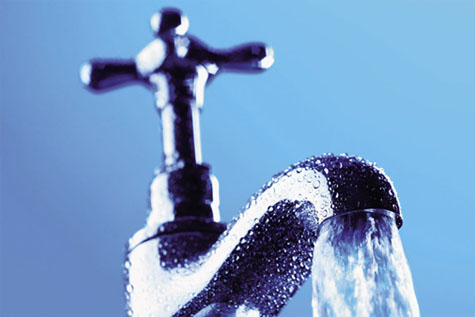
It is known to few people that tap water, this well-known water, usually does not correspond to what is publicized by the municipalities in their analysis bulletins.When we open the water tap, we see that the water is, in fact, clear and colorless. Water should be tasteless, colorless and odorless. However, when you smell the glass, we detect, in most cases, the smell of bleach. “Those who understand”, say that the added chlorine is used to kill the bacteria and thus prevent poisoning. What they “forget " is that chlorine kills not only bacteria, but also humans. Chlorine is considered by some scientists to be responsible for thrombosis ( and so on…), since the chlorine crystals penetrate into the bloodstream, causing cracks in veins and arteries, cracks that aggregate platelets and fat which subsequently slough off and clog the veins , resulting in thrombosis and other disease types. In addition, destroying Batterie by chlorine also destroys bacteria harmless to our intestines, thus allowing bad bacteria to proliferate and cause diseases.But chlorine is not the only problem...The water that comes to us is colorless. And this water, is it really clean? NO!The water is subjected to treatments which confer chemical treatments bleaching to it, thus creating the illusion that it is clean.Then, please, do answer, would you drink water from a polluted river? Probably not. And what if you were given some bleached water, even though it looked clear, would you drink it, nonetheless?If you go through an analysis report of water available in any town hall, you will probably find out that dozens of parameters are analyzed, among which are arsenic, mercury , etc.It's frightening that much of the values do not come to zero but with values considered "acceptable". The water should not have these chemicals...
 |
Bottled Water
Unfortunately, bottled water is not better than the tap one. It is a kind of water treated with chemicals, like the tap one, the only difference is that it comes in plastic bottles, instead of leaving the tap.The claim that bottled water is 100% natural, can countered by the fact that all the bottles contained a shelf life that can exceed a year, depending on the type of material used in packaging (P.E.T.).Recent studies question the harmlessness og P.E.T, in changing the properties of water as well as the whole process of transport and storage subject to various forms of aggression (sunlight, temperature variations, etc.). What is the serious part in it?Platic is pollution.If yuo paste a piece of cheese to the outside of the bootle and leave it there for 3 or 4 days, you will realize that the water has acquired the flavour of cheese. This proves that the plastic is pourous and passes odors and other inwardly.All these factors, added to the characteristics of mineralization and pH of different bottled waters are enough to question its impact on human health.Still, when it comes to bottled water, there are data showing that, on average, each Portuguese citizen consumes 96 litres/year, witch in itself is a minor problem that should be overlooked.The waste produced by the packaging containers, although they are recyclable, often end up deposited in controlled landfills and uncontrolled ( bins ); Studies show that only 86% of plastic bottles are recycled, assuming a consumption of 900 million plastic water bottles per year on energy costs and related emissions of greenhouse gases ( G.E.E. ).We confirm the extent of a problem that reflects our consumer society.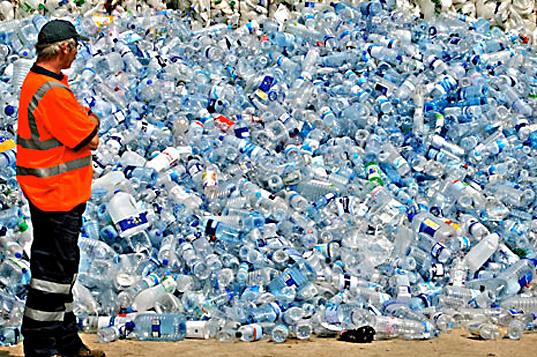 |